🌿 Vertical Setups - Grow More Food in Less Space
Vertical gardening is one of the most effective tools a microsteader can use. If you're working with a balcony, rooftop, small patio, or narrow side yard, vertical setups let you grow more without needing additional square footage. Going vertical means maximizing your airspace — using height to stack, hang, or elevate your crops.
In this guide, we’ll discuss vertical setups, their benefits in small-scale growing, the different types you can build, the best crops for vertical systems, watering strategies, and how to get started with low-cost or recycled materials.
📐 What Is a Vertical Growing Setup?
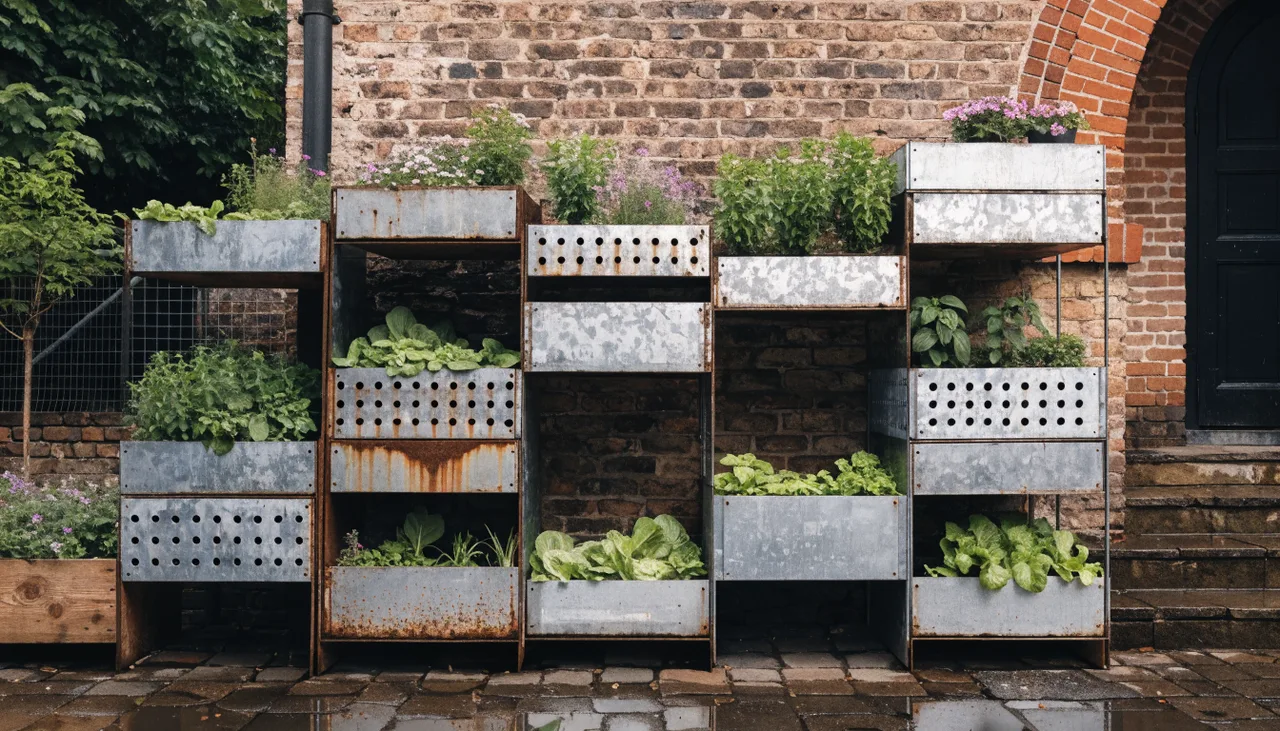
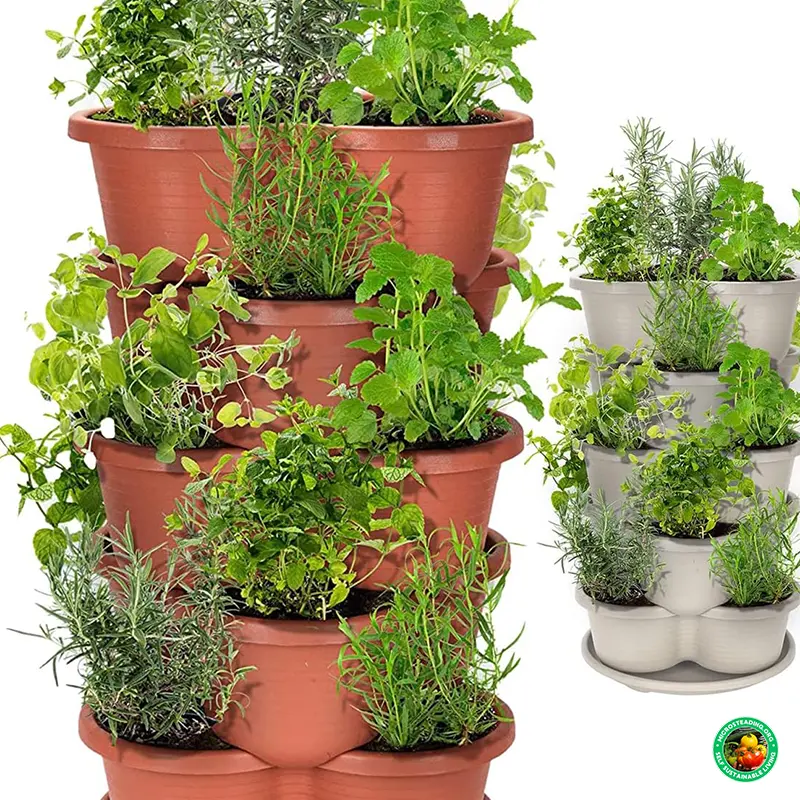
A vertical setup is any garden system that allows you to grow plants upward rather than outward. These include hanging baskets, tiered plant stands, stacked grow bags, wall-mounted shelving, or climbing structures like trellises. The main idea is to use unused vertical space — walls, fences, posts, or stands — to support more plants in the same footprint.
Vertical setups are especially effective in urban and compact spaces, where ground area is limited but sunlight and vertical clearance are available.
🧱 Why Vertical Gardening Works in Small Spaces
Microsteaders often face one big challenge: limited ground space. Vertical gardening solves this by expanding your growing area upward. Instead of trying to fit five pots in a row, you can stack three levels and instantly triple your production potential.
Download The Quickstart Guide
 Subscribe on Substack
Growing vertically also improves airflow, which can reduce fungal issues, and improves each plant's access to sunlight. It also makes harvesting easier—no bending, stooping, or crowding. Even a basic two-tier setup on a balcony can produce significantly more than a flat row of containers.
🛠️ Types of Vertical Growing Systems
There is no one-size-fits-all vertical structure. Your ideal setup will depend on the materials you have available, the crops you're growing, and the amount of sunlight and wind exposure your space gets.
Here are some common vertical systems microsteaders use:
-
🪴 Hanging Planters – Ideal for trailing herbs, strawberries, or small greens.
-
🔩 Wall-Mounted Racks or Pallets – Mount shelves or hang small pots from hooks or wire mesh.
-
📦 Stackable Grow Bags or Buckets – Use firm containers that nest securely, leaving room for drainage and light.
-
🪜 Repurposed Furniture – Old bookcases, bakers’ racks, or ladders make excellent vertical frames.
-
🎋 Trellises – Best for climbing crops like cucumbers, pole beans, and compact tomatoes.
-
👟 Shoe Organizers – They work well for shallow-rooted crops, hung against a wall and filled with soil.
🌿 Best Crops for Vertical Gardening
Vertical systems aren't for every plant, but they work well with either lightweight, shallow-rooted, or naturally vining crops. The best crops for vertical setups include:
-
🥬 Leafy greens like lettuce, spinach, arugula, and kale
-
🌿 Herbs such as basil, cilantro, parsley, thyme, oregano, and mint
-
🍓 Strawberries and small fruiting plants like alpine berries
-
🫘 Pole beans and peas
-
🍅 Cherry or determinate tomatoes, when supported with cages or ties
Avoid large fruiting crops like full-sized squash or melons unless you build strong, reinforced structures and add slings to support fruit weight.
🔁 DIY Vertical Setup Ideas Using Recycled Materials
One of the best parts about vertical microsteading is that it doesn’t have to cost much, if anything. Here are some DIY-friendly ideas:
-
🪜 Stack three food-safe buckets or grow bags and support them with corner brackets or a wooden frame
-
🪵 Mount an old wooden pallet on a wall and staple landscape fabric into each tier to create pocket planters
-
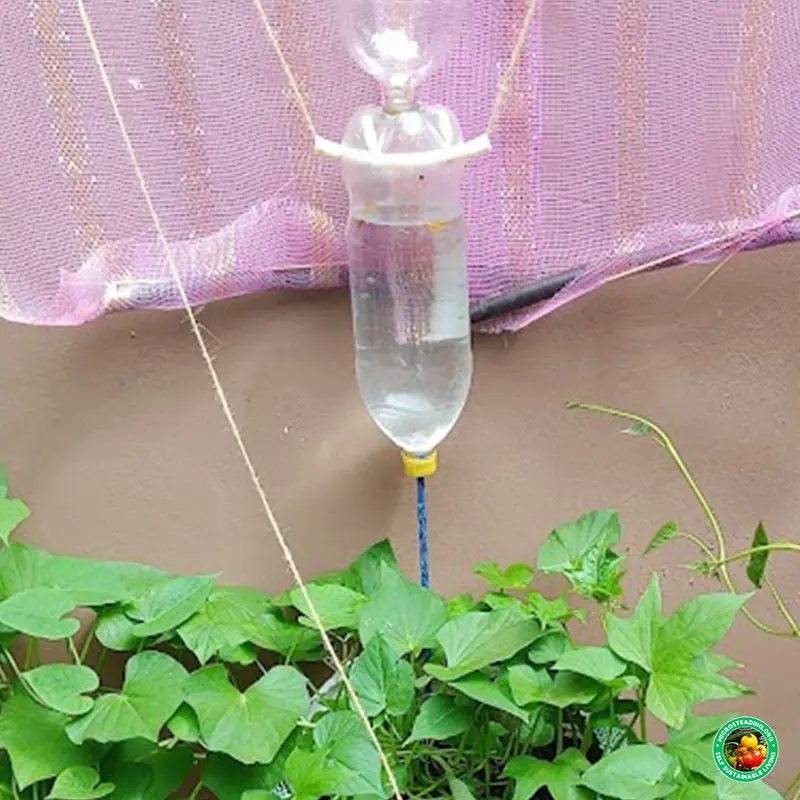
🧃 Hang plastic soda bottles with the bottoms cut off, filled with soil, and threaded with a wick for self-watering
-
🧺 Repurpose a ladder by placing wide shallow containers on each rung
-
🧷 Zip-tie small recycled pots to a trellis frame or a wire grid for modular planting
The goal is to get your plants upward without compromising light, drainage, or access.
💧 Watering Tips for Vertical Gardens
Watering is one of the trickier aspects of vertical gardening. Gravity causes the upper containers to drain quickly, leaving the lower levels overly saturated. To manage this, consider using one or more of these strategies:
-
🚰 Install a simple drip or wicking system at the top and let water trickle down slowly
-
🧽 Add wicks in each container to draw water up from a bottom reservoir
-
🔻 Place thirsty plants lower down and drought-tolerant ones up top
-
💦 Use saucers or trays under each level to catch runoff for reuse
-
👆 Monitor soil moisture more frequently — top layers may dry faster than expected
Consistency is key in vertical systems. Make watering part of your weekly rhythm, and automate when possible.
🧲 How to Stabilize a Vertical Structure
Any time you grow upward, stability becomes essential. Wind, uneven weight distribution, and vibrations can all cause tipping or collapse if not accounted for. Here are some tips:
-
🪨 Use wide or weighted bases to prevent tipping
-
🧱 Secure your frame to a railing, fence, or wall using brackets or rope
-
⚖️ Avoid top-heavy designs — put heavier containers lower down
-
🧲 Stack containers with interlocking shapes or add a simple wooden spine to support each level
-
🌧️ Make sure drainage doesn’t weaken structural integrity over time
If you’re in a windy or exposed area, it’s often best to position your vertical garden along a sheltered wall.
📈 How to Start Small and Scale Up
Don’t try to build a complete tower or wall right away. Start with one or two levels — maybe a three-tier stack of herbs or wall-mounted pots. See how they perform in your light conditions. Learn how the water flows, how fast things dry out, and how accessible the harvest is.
Once you’ve tested a few variables, expand gradually. Add another level. Try a different crop. Build an irrigation system. Vertical setups improve with experience, and every iteration teaches you something.
🌱 Final Thoughts
Vertical setups are a simple, effective, and affordable way to boost your growing capacity in a microstead. Whether you stack grow bags, repurpose a shelf, or build a trellis against a wall, going vertical is about reclaiming unused space and turning it into food production.
It doesn’t matter if you have 10 acres or 10 square feet — growing up is almost always better than growing out.
Start where you are. Use what you have. Build what you need.
🌿 Grow up. Think smart. Microstead.
Frequently Asked Questions
Vertical gardening is a method of growing plants upward rather than outward. It uses structures like shelves, trellises, hanging pots, or wall-mounted containers to maximise limited space, making it ideal for balconies, patios, rooftops, or other compact areas.
Great crops for vertical setups include leafy greens like lettuce and kale, herbs like basil and parsley, strawberries, pole beans, peas, and cherry tomatoes. These plants either trail, climb, or grow compactly, making them well suited for vertical systems.
Vertical gardens benefit from careful watering since gravity causes upper levels to drain quickly. Wicking systems, drip irrigation, or slow-release bottle setups all work well. Place thirstier plants lower where more water collects, and put drought-tolerant ones near the top.
Yes. Many microsteaders use repurposed items like wooden pallets, bookshelves, crates, ladders, and plastic bottles. These can be turned into shelving, stacked containers, or hanging planters. As long as they are stable and allow for drainage, they work beautifully.
It can be, as long as your structure is stable and not overloaded. Use wide or weighted bases, secure your frame to walls or railings, and avoid top-heavy arrangements. Always consider wind exposure, weight distribution, and your surface material when setting up.