
🌱 The Ultimate Grow Bag Gardening Guide
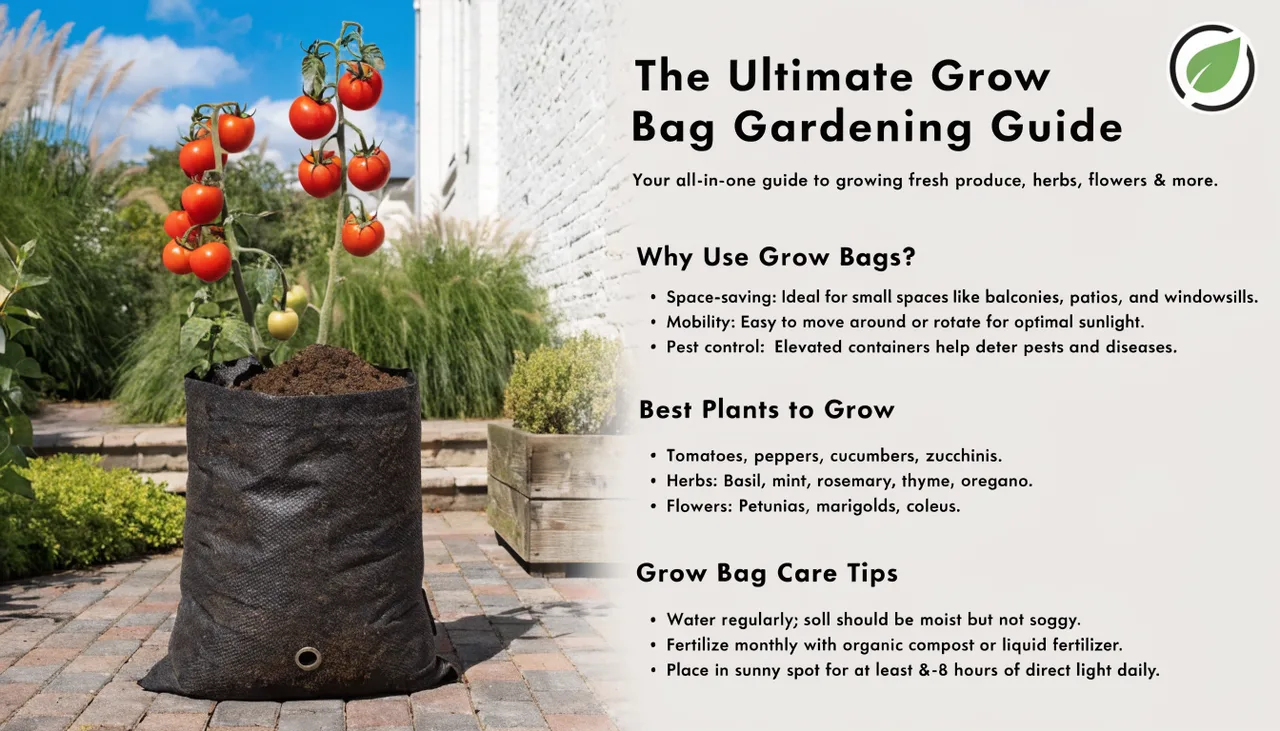
Growing bags might be your secret weapon if you're short on space but big on gardening dreams. These breathable, versatile containers are a favorite among microsteaders, balcony gardeners, and urban growers who want to grow food anywhere. In this guide, you'll learn everything you need to know about grow bags—from setup to harvest, from choosing the right size to extending their life for multiple seasons.
🧵 What Are Grow Bags?
Grow bags are flexible containers made from breathable fabric, often thick nonwoven polypropylene or recycled materials. Unlike plastic or ceramic pots, grow bags allow air and moisture to move through the material, promoting better root health through air pruning.
When roots hit the edge of a grow bag, they're exposed to air, which naturally stops their growth and encourages lateral root branching. This results in a dense, fibrous root system—and ultimately, healthier, more productive plants.
💪 Benefits of Using Grow Bags
- 🌬️ Improved Root Health – Air pruning prevents root circling and encourages strong, fibrous growth.
- 🚚 Lightweight & Portable – Easy to move around to chase the sun or avoid extreme weather.
- 🌡️ Superior Drainage – Prevents waterlogging and reduces the risk of root rot.
- 🧼 Space-Efficient Storage – Folds flat when not in use.
- ♻️ Eco-Conscious – Many brands use recycled or upcycled materials.
- 💰 Cost-Effective – Affordable alternative to raised beds and pots.
🛍️ Grow Bags vs. Raised Beds vs. Plastic Pots
| Feature | Grow Bags | Raised Beds | Plastic Pots |
|---|---|---|---|
| Root Health | ✅ Excellent | ⚠️ Depends on soil | ❌ Poor airflow |
| Portability | ✅ Easy to move | ❌ Not portable | ⚠️ Somewhat mobile |
| Storage Off-Season | ✅ Folds flat | ❌ Bulky | ⚠️ Stackable |
| Cost | ✅ Budget-friendly | ⚠️ Moderate | ⚠️ Varies |
| Setup Required | ✅ Minimal | ❌ Intensive | ✅ None |
📏 Choosing the Right Grow Bag Size
Here's a quick reference based on what you're planting:
- 🪴 1–3 gallons: Herbs like basil, thyme, cilantro
- 🥕 5–7 gallons: Leafy greens, carrots, bush beans
- 🍅 10–15 gallons: Tomatoes, eggplants, peppers
- 🍠 15–20 gallons: Sweet potatoes, potatoes
- 🥗 25–30 gallons: Multi-plant combos like salad gardens
🔧 Tip: Use our Soil Mix Calculator to prep the perfect blend for any grow bag size.
🧱 How to Set Up a Grow Bag Garden
- 🔲 Choose a solid, draining surface – Concrete, gravel, bricks, or wood decking work well.
- 📦 Add a moisture-retaining base – A layer of mulch or cardboard helps keep soil from drying out.
- 🧪 Use the right soil mix – Compost + coco coir + perlite = light, fertile, and moisture-friendly.
- 💧 Water consistently – Grow bags dry out faster. Water daily in warm seasons.
- 🔄 Automate if possible – Add drip irrigation or try our BottleCore™ self-watering insert.
👉 Want a hands-free setup? Check out our DIY Wicking Systems Guide.
💧 Watering Tips for Grow Bags
- Check moisture daily in summer.
- Use saucers or trays under bags to catch and reabsorb runoff.
- Mulch the topsoil to prevent rapid evaporation.
- While grow bags can't support traditional bottom-wick systems due to their breathable fabric, you can pair them with a self-watering insert like BottleCore™ or set them in a shallow tray to catch runoff and help reabsorb moisture between waterings.
🌿 Best Crops for Grow Bags
- 🍓 Strawberries – great for vertical grow towers
- 🧄 Garlic & onions – shallow bags work perfectly
- 🥬 Lettuce & spinach – fast turnover and great for shallow bags
- 🌶️ Peppers & chilies – deep roots love the airflow
- 🥕 Carrots & radishes – watch your soil depth
- 🍠 Sweet potatoes – use a 15+ gallon bag for full harvests
✅ Bonus: Even dwarf fruit trees can thrive in large grow bags with the right support and fertilizing schedule.
🚫 5 Common Grow Bag Mistakes (And How to Avoid Them)
- ❌ Using garden soil – It’s too heavy and lacks drainage. Use light potting mix.
- ❌ Overwatering without trays – Excess water can pool underneath and be wasted.
- ❌ Choosing the wrong size – Tomatoes need 10+ gallons, not 3.
- ❌ Skipping fertilizer – After 4 weeks, most soil blends run out of nutrients.
- ❌ Letting bags sit in puddles – Elevate them to prevent soggy bases and rot.
🌦️ Adapting Your Grow Bag Setup to Your Climate
Grow bags can work for you no matter where you live, if you plan ahead.
- ☀️ Hot/Dry Climates: Add mulch, group bags close together, and use a watering insert.
- 🌧️ Rainy Seasons: Elevate bags on bricks, and use fast-draining soil.
- ❄️ Cold Climates: Use black bags to absorb warmth and consider moving them indoors or into a greenhouse.
- 🏙️ Urban Balconies: Watch for wind and use reflective surfaces to bounce extra sunlight onto your plants.
📅 Crop Rotations and Seasonal Use
Grow bags aren’t just for summer tomatoes. Rotate crops year-round to get the most out of every gallon of soil.
- 🧄 Fall/Winter: Plant garlic, onions, and kale in early fall for a winter harvest.
- 🥬 Spring: Use shallow bags for spinach, lettuce, and herbs.
- 🍅 Summer: Tomatoes, peppers, and squash thrive in deep bags with full sun.
- ♻️ Off-season: Turn old bags into compost bins or leaf mold containers.
🪴 On My Microstead: Real Results with Grow Bags
On my own patio, I use a mix of 10- and 15-gallon grow bags—two for tomatoes, one for peppers, and two for sweet potatoes. I elevate them on bricks for airflow and use BottleCore inserts to keep watering consistent. The airflow and drainage make all the difference during our hot season, and I’ve been reusing the same bags for over three years.
🧼 Cleaning & Reusing Grow Bags
- 🪣 Dump the soil and shake out debris
- 🚿 Rinse thoroughly and dry in full sun
- 🍶 Use a 1:10 vinegar-water solution to kill pathogens
- 📦 Store flat in a dry space
With proper care, grow bags can last 3–5 seasons, sometimes more.
🛒 What to Look For When Buying Grow Bags
- 🪡 Strong stitched handles
- 🌞 UV-resistant material
- 🧵 Reinforced seams
- 🪓 Velcro harvest windows (for root crops)
- 🎨 Black or dark colors for warmth retention
🔗 Plan Your Perfect Grow Bag Setup
Use these tools to design a productive, space-efficient garden:
- 🧮 Soil Mix Calculator
- ☀️ Sunlight Exposure Estimator
- 📏 Spacing & Yield Calculator
- 🧵 DIY Wicking Systems
🚀 Final Thoughts and Takeaway
Grow bags are among the smartest tools in a micro gardener’s toolkit. They're affordable, sustainable, and surprisingly productive—even in tight quarters. Whether a balcony grower, rooftop planter, or micro-steading a corner of your patio, grow bags let you garden with flexibility and success.
🌿 Ready to build your grow bag garden? Start small, think smart, and watch your harvest snowball.
Frequently Asked Questions
With proper care and seasonal cleaning, most grow bags last 3 to 5 years. To extend their life, empty them after each season, rinse thoroughly, and store them flat in a dry place away from direct sun.
No. Grow bags are made from breathable fabric which allows water to drain naturally through the material. They do not need extra holes like plastic pots do.
Yes, but you should amend it between plantings. After harvesting, remove roots and debris, mix in compost, and refresh with organic nutrients to restore fertility.
Yes. Grow bags can be used indoors if placed on trays or saucers to catch excess water. Herbs, leafy greens, and dwarf plants do well in smaller bags under grow lights or near bright windows.
Absolutely. In warmer climates or with protected spaces like greenhouses, you can rotate crops throughout the year. In colder areas, switch to cold-tolerant crops in autumn and early spring, or move bags indoors during winter.
Traditional bottom-wick systems do not work well with grow bags due to their breathable fabric. Instead, consider pairing grow bags with a self-watering insert like BottleCore or placing them in shallow trays to catch runoff and help maintain moisture between waterings.
Grow Bag Watering Techniques | Keep Your Plants Hydrated and Thriving
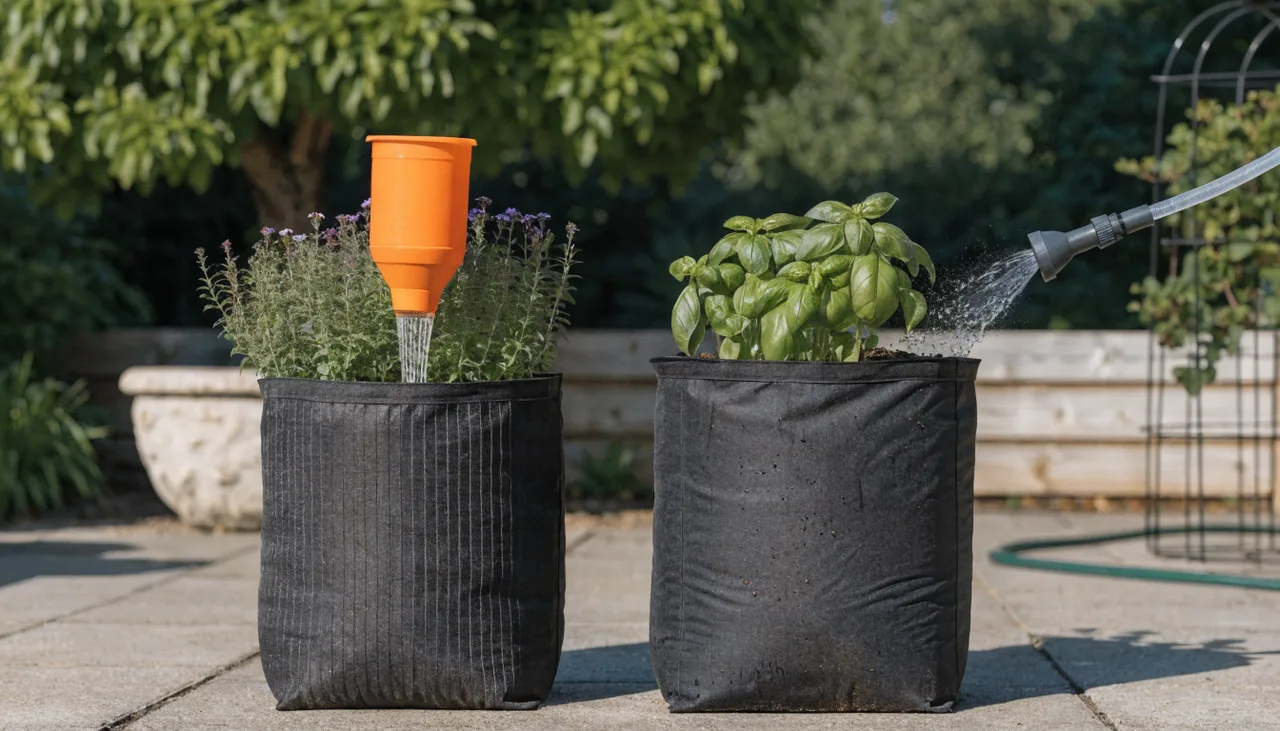
Master grow bag watering with proven techniques that prevent dry soil and boost harvests. Learn optimal watering frequency, deep watering methods, and soil choices that keep container plants thriving.
Continue reading